

 See My Latest Article on HelloNation
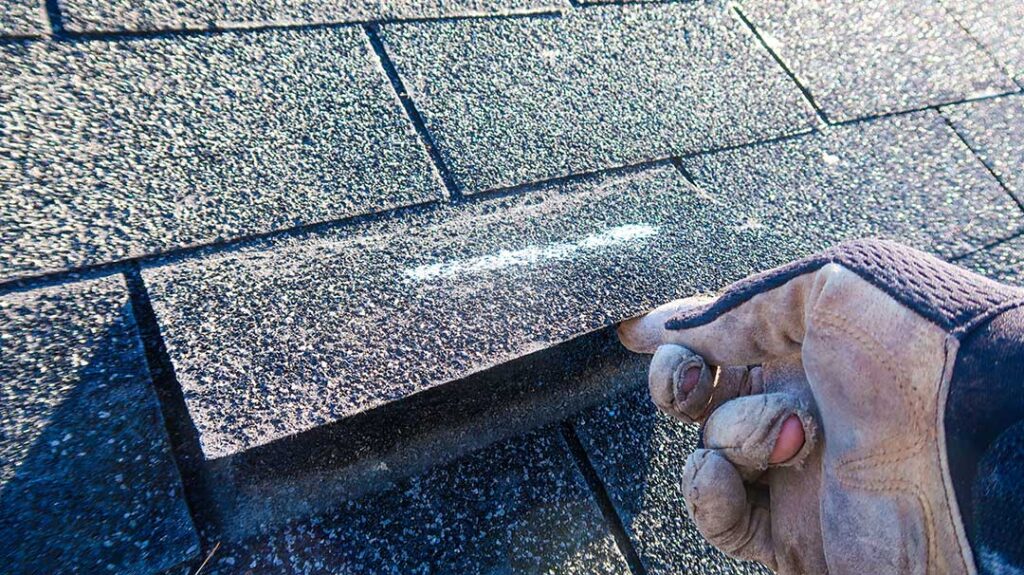
Shingle curling and cracking are common signs that an asphalt roof is losing flexibility, adhesion, or surface protection. Some damage develops gradually from age and weather exposure, while other problems are linked to attic moisture, installation conditions, inadequate ventilation, or physical impact.
For households in Ashland, VA, seasonal heat, humidity, rain, wind, and occasional freezing temperatures can all contribute to roof wear. The appearance of a damaged shingle does not always reveal the full cause, so it helps to understand what different patterns may mean before deciding whether a repair is sufficient.
What do curled or cracked shingles look like?
Curling usually appears at the edges or corners of a shingle. The corners may lift upward, turn downward, or develop a wavy “fish-mouth” shape. A shingle can also appear cupped, with the middle or edges raised unevenly.
Cracking may appear as:
- Short splits near the lower edge of a shingle
- Long horizontal cracks across the shingle surface
- Vertical cracks between shingle tabs
- Splits around exposed nail areas
- Fine surface cracks that become more visible as granules wear away
A few isolated defects may be limited to individual shingles. Widespread curling or cracking across several roof slopes usually points to an age-related, environmental, installation, or ventilation problem rather than a single damaged shingle.
Why do asphalt shingles curl?
Age is one of the most common causes. Asphalt shingles gradually lose oils and flexibility as they remain exposed to sunlight and changing temperatures. Once the material becomes brittle, the edges may shrink or lift.
Other possible causes include:
Poor attic ventilation
A hot, poorly ventilated attic can increase the temperature of the roof deck and shingles. Excess heat may accelerate the loss of asphalt flexibility. Moisture trapped in the attic can also affect the roof deck, underlayment, and underside of the shingles.
Ventilation problems are not solved simply by adding a roof vent. Air must be able to enter through appropriate intake areas and leave through exhaust openings. Blocked soffit vents, compressed insulation, or poorly arranged insulation can interfere with that airflow.
Moisture and roof-deck movement
Water leaks, interior humidity, or condensation can cause wood roof decking to swell and shrink. Movement beneath the shingles can weaken the bond between layers and contribute to distortion.
In a home with a bathroom, kitchen, or dryer vent exhausting into the attic, moisture may accumulate above the ceiling. Those conditions can cause roof-related symptoms even when the shingles themselves are not the original source of the problem.
Installation or storage issues
Shingles installed when they are too cold may not seal properly right away. Improper nailing, incorrect nail placement, insufficient fastening, or shingles that were bent during storage can also lead to premature curling.
A shingle that lifts only at a nail line or in a repeating pattern may provide clues about installation rather than general weathering.
Natural exposure
Roof slopes that receive strong afternoon sun often age faster than shaded slopes. Areas near tall trees may remain damp longer after rain, while exposed roof edges may receive more wind. Uneven wear across different roof sections is not unusual.
What causes shingle cracking?
Cracking often results from repeated expansion and contraction. Asphalt shingles heat up in direct sunlight and cool after sunset or during cold weather. Over many cycles, the shingle mat and asphalt surface can move at slightly different rates.
This stress may produce thermal splitting, especially when the shingle is restrained by fasteners and adhesive strips. Cracks may be more noticeable after a period of hot weather followed by cooler conditions.
Cracking can also be caused by:
- Severe brittleness from advanced age
- Hail or falling branches
- Foot traffic during maintenance
- Improper fastening
- Manufacturing defects
- Shingles installed over an uneven or deteriorated deck
- Excessive movement at roof valleys, ridges, or penetrations
Not every dark line is an active crack. Some marks are manufacturing patterns, surface scuffs, or areas where granules have been displaced. A true split usually interrupts the shingle material and may expose the underlying mat.
Are curled or cracked shingles an emergency?
Usually, no—but the condition should not be ignored. Curling and cracking reduce the roof’s ability to shed water and resist wind. Water may enter beneath lifted edges, while cracks can allow moisture to reach the underlayment and roof decking.
More urgent warning signs include:
- Water stains on ceilings or upper walls
- Damp insulation in the attic
- Daylight visible through the roof deck
- Several shingles missing or lifted
- Open cracks near flashing, valleys, or roof penetrations
- Soft or sagging areas in the roof deck
- Shingles that move noticeably in ordinary wind

If water is entering the home or the roof has structural damage, limit access to the affected area and address the source promptly. Walking on brittle shingles can cause additional breakage, and roof surfaces become particularly dangerous when wet, frosted, or covered with loose granules.
Can curled shingles be repaired?
A small number of damaged shingles may be repairable if the surrounding roof is still in sound condition. A repair generally involves removing the affected shingle without damaging nearby materials, installing a properly matched replacement, and ensuring the replacement is fastened and sealed correctly.
Adhesive alone is not a reliable solution for widespread curling. Roofing cement applied over many shingle edges may trap moisture, look uneven, and fail to correct problems beneath the roof surface.
Replacement shingles may not match perfectly because older shingles fade over time. A visible color difference does not necessarily mean the repair is defective, but it can make isolated repairs more noticeable.
When does curling or cracking indicate replacement?
Replacement becomes more likely when damage is widespread, repeated, or accompanied by other signs of roof aging. These signs include heavy granule loss, bald areas, brittle shingles, exposed fiberglass mat, failing flashing, sagging decking, and leaks in more than one location.
The pattern matters. If one roof slope has extensive curling while another remains relatively intact, sun exposure, attic airflow, tree cover, or a localized moisture problem may be involved. If every slope shows similar deterioration, the shingles may simply be near the end of their service life.
A roof should not be judged by appearance alone. The condition of the underlayment, flashing, roof deck, ventilation paths, and previous repairs also affects whether limited work is reasonable.
What can residents do to slow further damage?
Regular visual checks from the ground can identify changes early. Look for lifted corners, missing granules in gutters, dark exposed areas, broken tabs, and shingles that appear different after a storm.
Helpful maintenance includes:
- Keeping gutters and downspouts clear
- Trimming branches that rub against the roof
- Checking that attic insulation does not block soffit vents
- Confirming that bathroom and dryer exhaust vents terminate outdoors
- Avoiding unnecessary roof foot traffic
- Inspecting flashing around chimneys, vent pipes, skylights, and roof-wall transitions
- Checking the attic for damp insulation, musty odors, or water marks
After strong wind or hail, inspect the property from the ground and document visible changes with dated photographs. A roof inspection involving climbing should be left to someone equipped for the fall hazard, especially when shingles are brittle or the roof is steep.
Curling and cracking are not merely cosmetic defects. They are clues about the condition of the shingles and the roof assembly beneath them. Identifying the pattern, checking for moisture, and considering the roof’s age and exposure can help distinguish a manageable repair from deterioration that is affecting the entire covering.