

 See My Latest Article on HelloNation
Flat and sloped roofs can both perform well, but they handle water, weather, maintenance, and building design in very different ways. For homes and small buildings in Ashland, VA, the better choice depends on the structure, drainage plan, usable roof space, appearance, and long-term maintenance expectations.
What is the main difference between a flat roof and a sloped roof?
A sloped roof is designed to shed water quickly by gravity. A flat roof is not completely level; it has a slight pitch that directs water toward drains, scuppers, or roof edges.
Sloped roofs are common on detached homes because they provide strong water shedding, attic space, and a familiar residential appearance. Flat roofs are more common on additions, garages, porches, modern-style homes, and commercial buildings where a low profile or usable rooftop area is desirable.
The word “flat” can be misleading. Even a low-slope roof must be carefully designed so water does not remain on the surface for long periods.
Which roof handles rain better?
A properly built sloped roof generally has an advantage in moving rainwater away from the building. The steeper the slope, the faster water, leaves, and small amounts of debris can move toward gutters or roof edges.
Flat and low-slope roofs depend more heavily on drainage details. Water may be directed to:
- Interior drains
- Scuppers through a parapet wall
- Gutters along the roof edge
- Tapered insulation or built-in roof slopes
This matters in Ashland because the area experiences regular rainfall, humid summers, and occasional heavy storms. A flat roof with blocked drains, poor pitch, or deteriorated membrane seams may develop standing water after a storm. That water adds weight and can increase the chance of leaks, surface deterioration, and damage to the roof deck.
A small amount of temporary ponding may occur after intense rainfall, but water that remains for extended periods deserves attention.
Are sloped roofs more durable?
Slope alone does not determine service life. The materials, ventilation, flashing, installation quality, structural design, and maintenance schedule all matter.
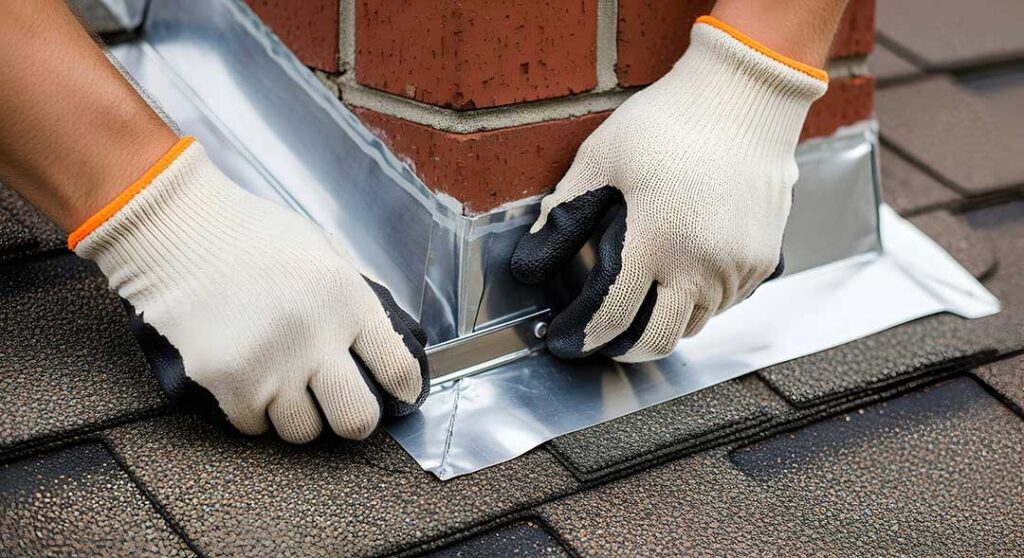
Sloped roofs often use asphalt shingles, metal panels, slate, or other overlapping materials. Their layered design can help shed rain and makes individual damaged areas relatively easy to identify. However, valleys, chimneys, skylights, and roof-to-wall intersections still require careful flashing.
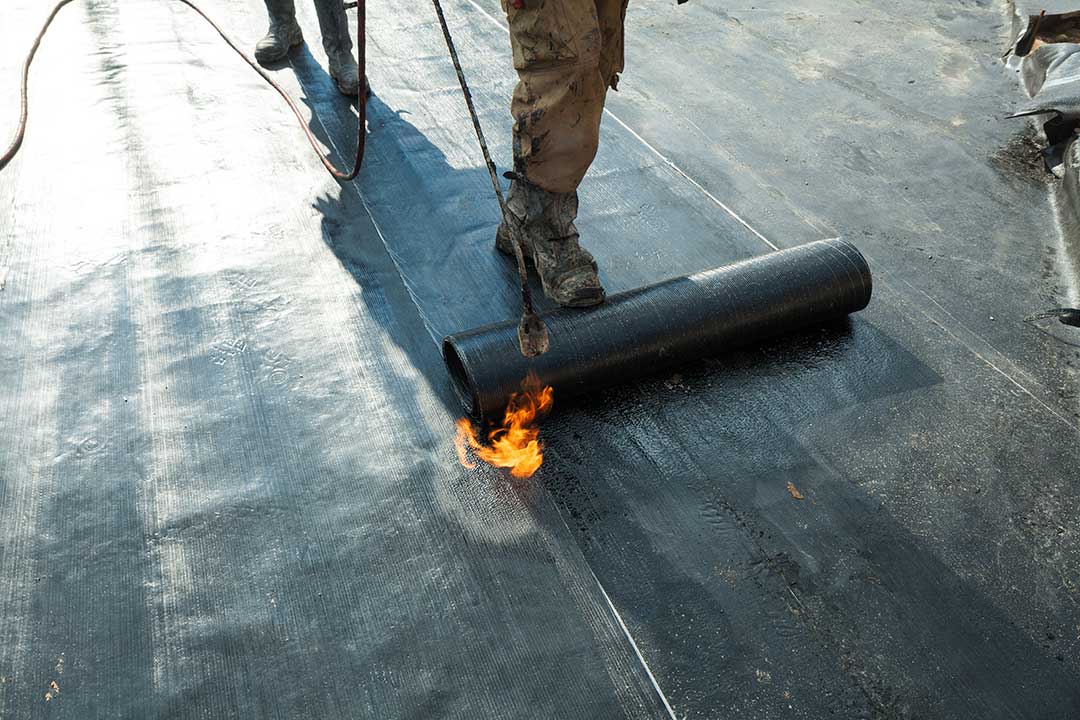
Flat roofs commonly use single-ply membranes, modified bitumen, built-up roofing, or fluid-applied systems. These materials can provide dependable protection, but seams, penetrations, edge details, and drainage components require close attention. Flat roofs also receive more direct sunlight across much of their surface, which can contribute to aging and thermal movement.
A well-maintained flat roof may outlast a neglected sloped roof. The construction details and upkeep are more significant than the roof shape by itself.
Which option is better for winter weather?
Neither roof type is automatically problem-free in winter. Snow, sleet, freezing rain, wind, and repeated freeze-thaw cycles can affect both systems.
Sloped roofs usually shed light snow more readily, although sudden sliding snow can create a hazard near entrances, walkways, or lower roof sections. Ice dams are less common in this region than in colder climates, but poor attic insulation and inadequate ventilation can still contribute to localized ice buildup.
Flat roofs retain snow and ice until they melt or are removed by natural drainage. Structural design must account for the weight of accumulated snow and water. Drains and scuppers must remain clear, especially after leaves or debris collect during autumn.
Residents should not climb onto a roof to remove snow or ice unless the work can be performed safely. Wet membranes and icy shingles are hazardous, and improper shoveling can damage roofing materials.
Which roof is easier to maintain?
Sloped roofs are often easier to inspect from the ground. Missing shingles, damaged metal panels, clogged gutters, and visible flashing problems may be noticeable from a safe distance.
Flat roofs allow easier foot access in some designs, but that does not make them maintenance-free. Regular attention should focus on:
- Drain and scupper openings
- Membrane seams and edges
- Flashing around vents and equipment
- Areas where water collects
- Blisters, cracks, punctures, or loose surface material
- Leaves and branches trapped near drainage points
Foot traffic can damage a flat roof membrane if people walk across it frequently or place equipment directly on the surface. A designated walkway or protective surface may be needed where regular access is unavoidable.
With either roof type, tree limbs, storm debris, and clogged drainage should be addressed before they lead to leaks.
Which roof provides better attic space and ventilation?
A sloped roof usually creates more room for an attic, which can provide storage and space for insulation, wiring, and mechanical systems. Its shape also makes it easier to use ridge, soffit, gable, or powered ventilation strategies when the design is appropriate.
A flat roof may have little or no attic space. Instead, insulation may be installed above the roof deck, between framing members, or in a compact roof assembly. This can work well, but moisture control and ventilation must be planned carefully.
A roof that looks flat from outside may still contain a concealed slope and internal drainage system. The visible shape does not always reveal how the roof is built.
Which roof is more energy-efficient?
Both roof styles can be energy-efficient when insulation, air sealing, ventilation, and surface color are properly selected.
Sloped roofs with ventilated attics can help reduce heat buildup beneath the roof covering. However, an attic with insufficient insulation may allow substantial summer heat into the living space.
Flat roofs often use continuous insulation above the roof deck. This can reduce thermal bridging and create an efficient assembly, but detailing around edges, penetrations, and drainage areas is important.
In the local climate, summer heat and humidity are often more significant day-to-day concerns than prolonged extreme cold. Roof performance should therefore be considered alongside attic insulation, ceiling air sealing, duct placement, and moisture management.
Does roof shape affect appearance or resale appeal?
Yes. Sloped roofs tend to match traditional residential architecture and may be preferred for homes with established neighborhood styles. Gable and hip roofs also provide familiar proportions and can make additions blend more easily with an existing structure.
Flat roofs create a clean, modern profile and may support rooftop equipment, a terrace-like design, or a low-height addition. Their appearance can be appealing when the entire building is designed around the roof form rather than adapted to it later.
Resale appeal is usually influenced more by sound construction, visible condition, drainage, and maintenance history than by the roof shape alone.
How should a homeowner choose?
The right choice depends on the building rather than a universal rule. Consider these questions:
- Does the structure have enough room for reliable flat-roof drainage?
- Will the roof support an attic, storage area, or future mechanical equipment?
- Are there trees that may shed leaves onto drains or gutters?
- Is the design traditional, modern, or part of an addition?
- Can the roof be inspected and maintained safely?
- How will insulation and ventilation be handled?
- Will local permit and building-code requirements affect the design?
For new construction or a major roof alteration, structural capacity, drainage calculations, wind resistance, fire performance, and permit requirements should be reviewed before work begins. In Ashland, construction work may be subject to the Virginia Uniform Statewide Building Code and local permitting procedures.
Is a flat roof or sloped roof better overall?
A sloped roof is usually the simpler choice for a conventional home because it sheds rain naturally, supports attic space, and is familiar to maintain. A flat roof can be the better option for a modern design, low-profile addition, rooftop equipment, or building where usable roof area is part of the plan.
Neither design is automatically superior. The most dependable roof is one with an appropriate structure, positive drainage, durable materials, well-designed flashing, and a maintenance plan suited to the property’s exposure and use.