

 See My Latest Article on HelloNation
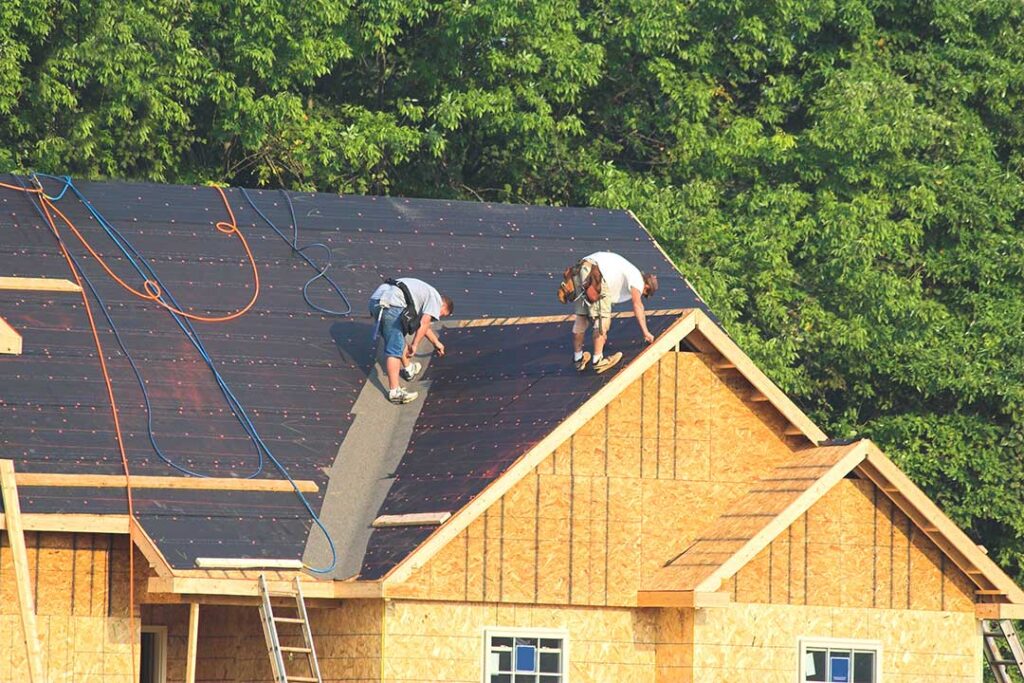
How does a roof affect energy efficiency?
A roof influences how much heat enters a home during summer and how much indoor heat escapes during winter. In Ashland, VA, where households experience hot, humid summers along with cool winter conditions, roof design and attic performance can affect comfort and heating and cooling costs throughout the year.
The roof covering is only one part of the system. Energy performance also depends on:
- Attic insulation
- Air sealing
- Ventilation
- Roof color and solar reflectance
- Moisture control
- The location of heating and cooling equipment and ductwork
A roof can be in good visible condition while still allowing substantial heat transfer through the attic. For that reason, energy efficiency should be evaluated as a roof-and-attic system rather than by looking only at shingles or other exterior materials.
Does a darker roof make a home hotter?
Usually, yes. Dark roofing surfaces absorb more sunlight and can become much hotter than the surrounding air during a clear summer afternoon. Some of that heat moves through the roof deck and into the attic, increasing the workload on the cooling system.
A lighter or more reflective roof surface absorbs less solar energy. This is often called a cool roof. The effect can be useful, especially on homes with low-slope roof sections, limited attic insulation, or rooms directly beneath the roof.
However, roof color is not the main factor in every home. A highly reflective roof cannot compensate for missing insulation or major air leaks. In a home with a well-insulated attic, the difference between roofing colors may be less noticeable indoors than it would be in a poorly insulated structure.
Reflective roofing can also reduce useful solar heat gain during cooler months. The best choice depends on the home’s insulation, roof design, orientation, shade, and heating and cooling patterns.
Why is attic insulation often more important than the roof covering?
Insulation slows heat movement. During summer, it reduces the amount of heat passing from the roof and attic into living areas. During winter, it helps retain heat inside the home.
For many existing homes, improving attic insulation and air sealing provides a more dependable energy benefit than replacing a sound roof solely to obtain a different color or material. Insulation should be installed evenly across the attic floor when the attic is outside the conditioned space. Thin areas, compressed insulation, and gaps around attic access panels can create weak points.
Air sealing is equally important. Warm indoor air can escape through openings around:
- Light fixtures
- Plumbing and wiring penetrations
- Chimneys and flues
- Attic stairways
- Duct penetrations
- Top plates and wall intersections
Sealing these openings before adding insulation helps prevent conditioned air from entering the attic. Any work near electrical equipment, combustion appliances, or roof structures requires appropriate safety precautions.
How does roof ventilation help?
Proper ventilation helps remove excess heat and moisture from a vented attic. A typical balanced system uses intake ventilation near the eaves and exhaust ventilation near the upper roof area. Air should be able to move through the attic without being blocked by insulation.
Ventilation is not a substitute for insulation. It also does not mean that more vents are always better. Poorly planned or unbalanced ventilation can draw air from the living space, increase moisture movement, or allow wind-driven rain to enter.
Baffles may be needed at the eaves to preserve an open air channel above the insulation. Without them, insulation can block intake vents and leave the roof edges under-insulated. This is a common weakness because attic spaces are often shallow near exterior walls.
Signs that an attic may have ventilation or moisture concerns include:
- Condensation or staining on the underside of the roof deck
- Musty odors
- Damp insulation
- Rusted fasteners
- Mold-like spotting
- Uneven temperatures near ceilings or upper-floor rooms
The cause should be identified before simply adding more insulation. Moisture from bathrooms, kitchens, or air leaks can create problems even when roof vents are present.
What if heating and cooling ducts are in the attic?
Ductwork in an unconditioned attic is exposed to high summer temperatures and winter cold. Leaky or poorly insulated ducts can lose conditioned air before it reaches the rooms below, making the heating and cooling system operate longer.
Duct sealing and insulation can improve performance, but the surrounding attic conditions still matter. In some homes, placing ducts within the conditioned envelope may provide better energy performance. This can involve insulating at the roofline rather than only at the attic floor, but that approach requires careful moisture and air-control planning.
An attic converted into a conditioned space is not simply an attic with spray foam added to the roof deck. The roof assembly must be designed to manage water vapor, air leakage, ventilation requirements, and the durability of the roof sheathing.
Can roof damage increase energy use?
Yes. Missing roofing materials, damaged flashing, deteriorated sealants, and water intrusion can affect insulation and the roof structure. Wet insulation performs poorly, and repeated moisture exposure can contribute to wood deterioration.
Small roof defects may not immediately create a noticeable change in an energy bill. More often, residents notice related symptoms such as a ceiling stain, a musty smell, a hot upstairs room, or uneven heating and cooling.
After severe storms, inspect from the ground for:
- Missing or lifted roofing materials
- Exposed underlayment
- Damaged vents
- Bent or displaced metal flashing
- Accumulated debris
- Sagging roof areas
Do not climb onto a wet or steep roof to inspect it. Roof access can be hazardous, particularly after wind, hail, or heavy rain.
What roof improvements make sense for older homes?
Older homes may have several energy weaknesses at the same time. Common conditions include insufficient attic insulation, unsealed attic penetrations, blocked soffit areas, older windows, and ducts located in hot attic spaces.
A practical evaluation usually starts with the attic rather than the roof replacement question:
1. Look for consistent insulation depth across the attic floor.
2. Check whether insulation is damp, compressed, or missing at the edges.
3. Identify visible air leaks around penetrations and attic access points.
4. Confirm that intake and exhaust ventilation are not blocked.
5. Examine duct insulation and accessible connections.
6. Check for signs of roof or plumbing leaks.
7. Consider roof reflectance if the home has significant summer overheating.
If the roof is already near the end of its service life, energy improvements can be coordinated with replacement. If the roof is sound, attic insulation, air sealing, duct improvements, and moisture correction may provide more value than replacing the exterior covering early.
Does a new roof automatically make a home more energy efficient?
No. A new roof can improve performance when it includes better insulation, proper underlayment, improved air control, or a more reflective surface. But replacing roofing materials alone does not correct missing attic insulation, leaky ducts, or unsealed ceiling penetrations.
For area households, the most reliable approach is to treat the roof, attic, and ceiling as connected parts of the home’s thermal boundary. A roof that sheds water effectively is essential, but energy efficiency also depends on controlling heat, air, and moisture as they move through the entire assembly.