

 See My Latest Article on HelloNation
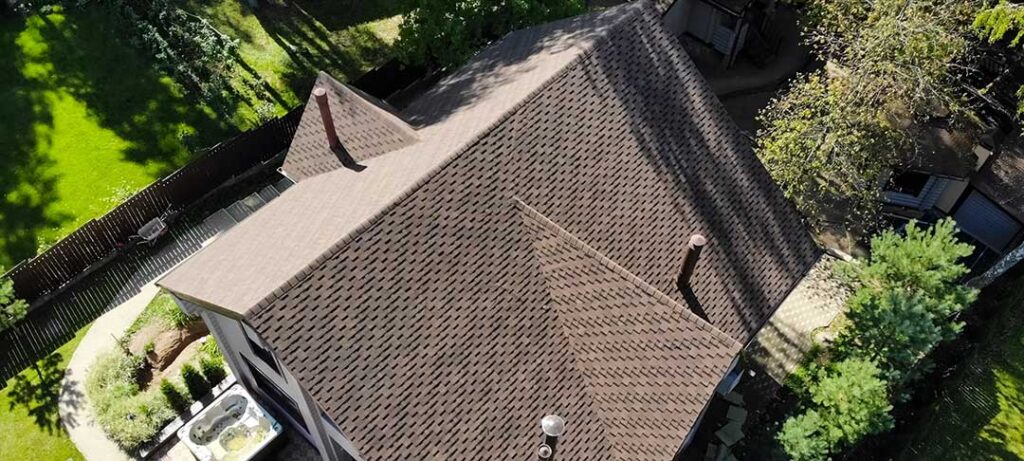
Why does sun exposure matter for a roof?
Sun exposure gradually changes roofing materials through heat, ultraviolet radiation, and repeated expansion and contraction. In Ashland, VA, roofs may experience strong summer sunlight, humid conditions, winter temperature swings, and occasional periods of intense heat, all of which can affect how roofing materials age.
Sun damage usually develops slowly. A roof may still appear serviceable while its surface is becoming more brittle, losing protective granules, or developing weak areas around seams and penetrations. The amount of sunlight a roof receives is only one factor, but it can help explain why two roofs of the same age do not always perform identically.
How does ultraviolet light damage roofing materials?
Ultraviolet, or UV, radiation breaks down the chemical compounds used in many roofing products. Asphalt shingles are especially affected because their weathering surface contains oils and protective binders that gradually deteriorate under long-term sunlight.
Common effects include:
- Fading or uneven color
- Brittle shingle surfaces
- Cracking along exposed areas
- Curling or lifting edges
- Loss of protective granules
- Reduced flexibility around roof details
Granules help shield asphalt from sunlight and weather. As they loosen and wash into gutters, the underlying shingle becomes more exposed. A small amount of granule loss is normal on an older roof, but heavy accumulation in gutters or downspout outlets can indicate accelerated surface wear.
UV exposure also affects membrane roofs, flashing materials, sealants, and some plastic components. These materials may become chalky, stiff, or less elastic after years of direct sunlight.
Why does a sunny roof often run hotter?
A roof absorbs solar radiation, and its surface temperature can rise well above the outdoor air temperature. Dark-colored roofing generally absorbs more heat than light-colored roofing, although ventilation, slope, shading, and material design also influence roof temperature.
The roof surface is not the same as the temperature inside the attic. A properly designed attic ventilation system can help release accumulated heat, but ventilation does not make the roof surface cool. Its main purpose is to moderate attic conditions and reduce moisture buildup.
High roof temperatures can contribute to:
- Faster aging of asphalt compounds
- Greater stress on sealants and flashing
- Heat transfer into the attic
- Increased cooling demand during hot weather
- More movement in roofing materials and roof components
This does not mean a dark roof is automatically defective or unsuitable. It means color and sun exposure should be considered along with insulation, ventilation, roof design, and the condition of the existing materials.
How does expansion and contraction affect a roof?
Roofing materials expand when heated and contract as they cool. Over many years, this repeated movement can place stress on shingle bonds, flashing joints, fasteners, underlayment, and sealants.
The effect is often most noticeable where different materials meet. For example, metal flashing and asphalt roofing may expand at different rates. Roof penetrations, valleys, wall intersections, and chimney areas can therefore show wear before broad, open sections of the roof do.
Temperature movement can contribute to:
- Opened or weakened sealant joints
- Small splits in flashing
- Loosened fasteners
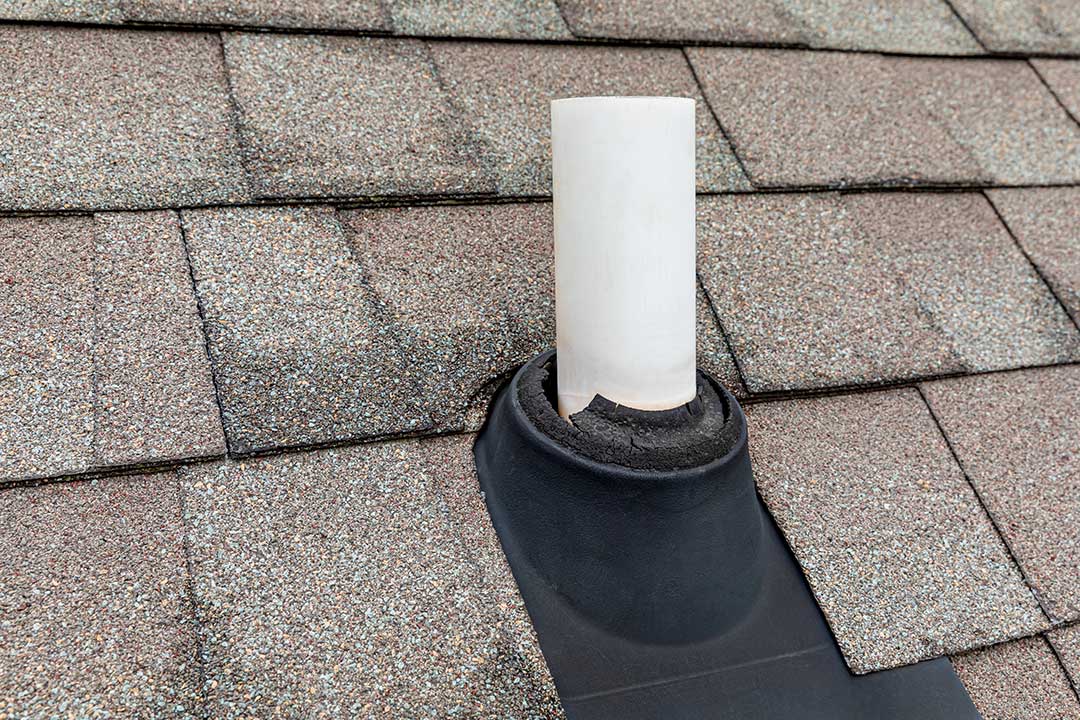
- Cracked pipe boots
- Lifted shingle tabs
- Gaps around roof penetrations
Sun exposure is not usually the sole cause of a leak. Water intrusion often results from a combination of age, installation details, storm damage, blocked drainage, and thermal movement.
Which parts of a roof receive the most sun?
Roof orientation affects how sunlight reaches different slopes. South-facing and west-facing slopes often receive strong afternoon exposure, while east-facing slopes receive more morning sun. A roof slope with little shade may age faster than another slope on the same building.
However, orientation is not a perfect predictor. Nearby trees, neighboring structures, roof pitch, dormers, chimneys, and seasonal changes in shade can alter the exposure pattern. A roof may also receive reflected sunlight from light-colored walls or nearby surfaces.
Flat and low-slope sections can experience intense heat because they may hold water longer after rain, increasing the combined effect of sunlight and moisture. Areas near roof edges may also show different aging patterns because they are more exposed to wind and have less surrounding material to buffer temperature changes.
Does shade always protect a roof?
Shade can reduce surface temperature and slow some forms of UV aging, but permanent shade is not automatically beneficial. Tree cover may keep a roof cooler while also increasing moisture retention, leaf accumulation, moss growth, and debris buildup.
Branches can scrape the surface during wind, and overhanging limbs may drop small twigs or larger sections during storms. Dense vegetation can also make it harder for a roof to dry after rain.
A balanced approach is useful:
- Keep roof drainage paths clear of leaves and organic debris.
- Watch for branches that rub against roofing.
- Look for shaded areas that remain damp longer than the rest of the roof.
- Avoid assuming that a cooler roof is necessarily a healthier roof.
Temporary shade from seasonal foliage may have different effects than year-round shade from dense vegetation.
How can sun damage be recognized from the ground?
A visual check from the ground can reveal changes, although it cannot show every roofing problem. Look for uneven color, exposed dark patches, curled shingle edges, missing granules, and areas that appear different from nearby slopes.
Binoculars can help identify:
- Shingles with raised or broken tabs
- Cracks around roof penetrations
- Rust or separation at metal flashing
- Sagging or displaced gutter sections
- Granules collecting below downspouts
- Bare-looking areas on asphalt shingles
Interior signs may include water stains, peeling paint near ceilings, damp insulation, musty odors, or visible daylight in an attic. These symptoms should not be attributed to sunlight alone. They may indicate a leak, condensation, or an attic ventilation issue.
Walking on a roof is not necessary for a basic inspection and can damage fragile materials or create a fall hazard. Steep, wet, brittle, or visibly damaged roofs require particular caution.
Can maintenance slow the effects of sun exposure?
Routine observation and drainage maintenance can help identify sun-related deterioration before it becomes a larger problem. Keeping gutters and downspouts clear reduces the chance that roof edges remain saturated or that water backs up beneath roofing materials.
It is also useful to inspect the attic periodically for adequate insulation, signs of moisture, and blocked ventilation openings. Poor attic conditions can add heat and moisture stress from below, while sunlight affects the roof surface from above.
Repairs should match the type and extent of damage. Replacing a few failed components may address a localized problem, but widespread brittleness, extensive granule loss, or recurring leaks may indicate that the roof has reached the later part of its service life.
Does sun exposure mean a roof needs replacement sooner?
Not necessarily. Sunlight is one contributor to roof aging, but roof life also depends on material quality, installation, ventilation, weather events, maintenance, roof slope, and drainage.
A roof with strong sun exposure may remain functional for many years if it drains well and is free from major defects. Conversely, a shaded roof can deteriorate prematurely if it stays damp, receives poor airflow, or has damaged flashing.
The most useful question is not simply how much sun the roof receives. It is whether the roof still has intact surfaces, secure edges, functioning drainage, and reliable protection at seams and penetrations. Those conditions provide a more accurate picture of performance than age or roof color alone.