

 See My Latest Article on HelloNation
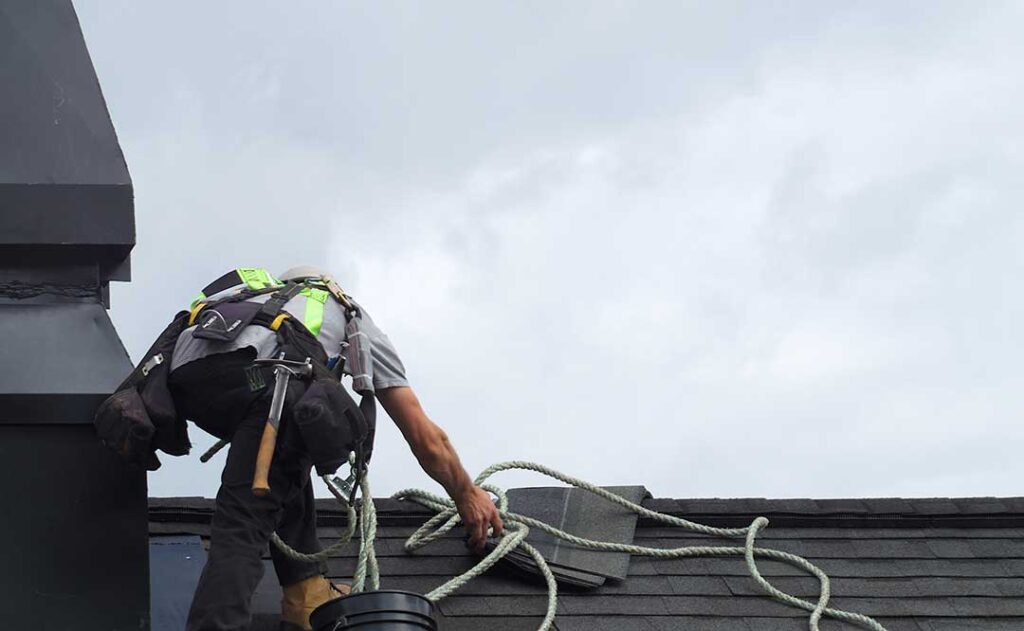
What can homeowners safely check on a roof?
Residents in Ashland, VA can handle several basic roof-maintenance tasks without climbing onto the roof. The safest approach is to inspect from the ground, attic, and accessible areas around the home while watching for small changes before they become leaks.
A ground-level inspection can reveal:
- Missing, cracked, curled, or visibly lifted shingles
- Dark streaks, patches of moss, or areas where granules have collected
- Sagging rooflines
- Damaged flashing around chimneys, vents, skylights, and roof edges
- Gutters that appear to pull away from the fascia
- Tree limbs or heavy debris resting on the roof
Binoculars are useful for viewing upper roof sections without walking on the shingles. A camera with a zoom function can also help document changes over time. Roof surfaces become slippery from dew, frost, algae, and rain, so routine inspection does not justify taking unnecessary fall risks.
How often should a roof be inspected?
A practical schedule is to inspect the roof twice a year and after severe weather. Early spring and fall are useful times because they bookend periods of heavy rain, summer heat, falling leaves, and winter temperature changes.
Additional checks are sensible after:
- Strong thunderstorms or high winds
- Hail
- Extended periods of heavy rain
- Ice or freezing conditions
- Nearby tree damage
- Any ceiling stain, musty odor, or unexplained dampness in the attic
Central Virginia homes may experience hot, humid summers, intense rainfall, occasional hail, and freeze-thaw cycles. Those conditions can gradually loosen flashing, age sealants, clog drainage paths, and expose weaknesses that were not obvious during a dry inspection.
What should be done with gutters and downspouts?
Gutters and downspouts should be kept clear because roof drainage depends on them. Clogged gutters allow water to back up beneath roofing materials or spill onto fascia boards, siding, foundations, and walkways.
Clean gutters at least twice a year, usually in late spring and after most leaves have fallen. Homes beneath mature trees may need more frequent attention.
During cleaning, check whether:
- Water can flow freely toward each downspout
- Gutter sections are sagging or separating
- Fasteners have loosened
- Downspouts discharge water away from the foundation
- Elbows or underground extensions are blocked
- Water is spilling over the front edge during rainfall
Use a stable ladder on firm, level ground, and keep both hands available whenever possible. A ladder should never be placed on wet grass, icy pavement, or an unstable surface. If the roof edge, ladder position, or height makes the task unsafe, the maintenance should not be treated as a do-it-yourself project.
How can roof leaks be found from inside the home?
An attic inspection can identify moisture before a leak becomes visible in a living area. Look for wet insulation, darkened wood, water marks, rusty fasteners, peeling surfaces, or daylight visible through the roof deck.
A useful method is to inspect the attic after rainfall, because active leaks may be easier to trace while water is entering. However, water can travel along rafters and roof decking before dripping, so the interior stain may not sit directly below the exterior problem.
Also watch for:
- Damp or compressed insulation
- Condensation around nails or metal components
- Mold-like odors
- Warped roof decking
- Bathroom or kitchen moisture entering the attic
- Blocked or poorly functioning ventilation openings
Not every attic moisture problem is caused by a roof leak. Inadequate ventilation, air leakage from the living space, and warm moist air contacting cold surfaces can also create condensation. Bathroom exhaust fans should vent outdoors rather than into the attic.
Should moss, algae, or roof debris be removed?
Light debris should be removed carefully when it can be reached safely from the ground or a secure low area. Leaves and pine needles can hold moisture against shingles and block valleys or drainage channels.
Moss deserves special caution. Pulling or scraping it off can remove protective granules and damage shingles. Pressure washing is also risky because high-pressure water can force moisture beneath roofing materials and shorten shingle life.
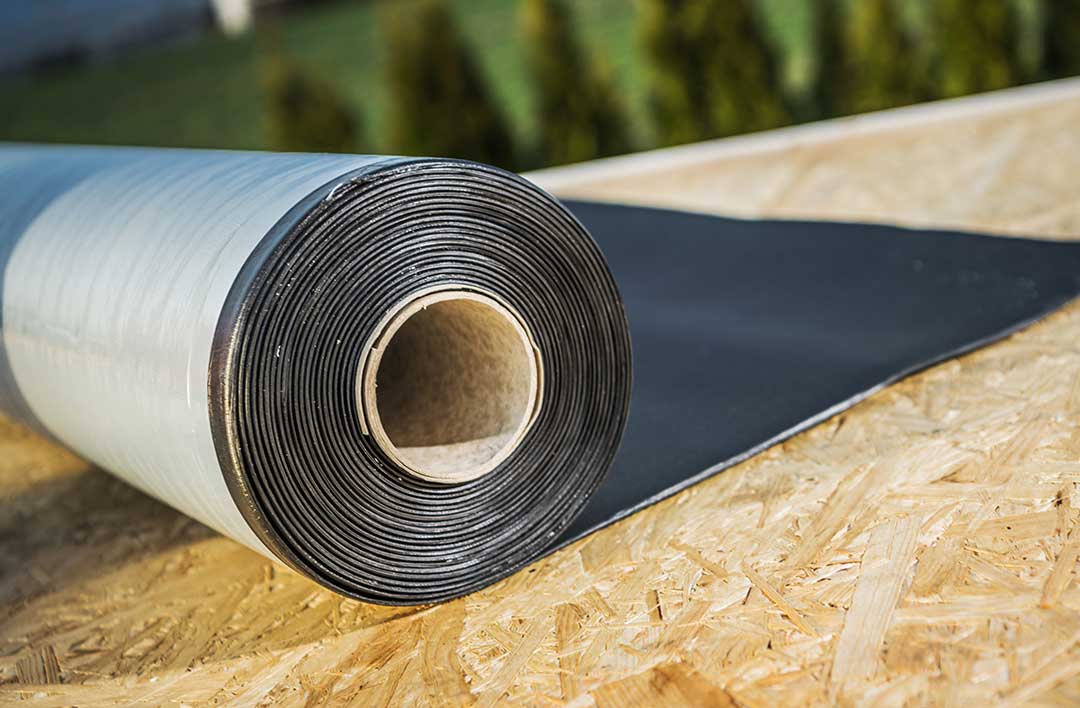
Dark roof streaks are often algae-related staining rather than heavy biological growth. They may not indicate an immediate structural problem, but persistent moisture can keep the roof surface damp. Any cleaning method should be compatible with the roofing material and should avoid harsh abrasion, concentrated pressure, and runoff that could damage plants or outdoor surfaces.
Branches should not be dragged across shingles. If a limb is resting on the roof, especially after a storm, the safest response depends on its size, weight, and location. Large or unstable branches create both fall and impact hazards.
What roof repairs are reasonable for a homeowner?
Very minor tasks may be manageable for a person with appropriate skills, safe access, and a clear understanding of the roofing material. Examples can include replacing a missing gutter fastener, clearing a reachable downspout blockage, or resealing a small exterior gap when the correct material and application method are known.
Roof work becomes less suitable for do-it-yourself repair when it involves:
- Walking on steep, wet, brittle, or visibly damaged roofing
- Replacing large areas of shingles
- Repairing valleys or roof-to-wall intersections
- Working around electrical service lines
- Addressing structural sagging
- Removing storm-damaged trees
- Repairing chimney flashing or skylight interfaces
- Handling suspected mold, extensive rot, or major water entry
Roofing materials vary by age, design, and installation method. A patch that appears simple may conceal damaged decking, deteriorated underlayment, or a drainage problem. Safety and accurate diagnosis matter more than completing a repair quickly.
How can roof damage be prevented?
Prevention is mostly a matter of controlling water, debris, and vegetation around the roof. Keep tree limbs trimmed back far enough to reduce scraping and falling-branch risk, while avoiding aggressive pruning that could harm the tree.
Other useful habits include:
- Keep gutters and downspouts flowing
- Check flashing after major storms
- Replace cracked vent boots or visibly failed seals when safely accessible
- Keep attic insulation and ventilation in good condition
- Avoid attaching decorations or equipment in ways that puncture roofing
- Do not walk on the roof to retrieve balls, branches, or seasonal items
- Keep records and photos of recurring problem areas
A roof does not need to look dramatically damaged to have a maintenance issue. Small granule piles near downspouts, a single ceiling discoloration, or repeated gutter overflow can provide early evidence that deserves attention.
When is roof damage urgent?
Active water entering the home, a sagging ceiling, exposed electrical components, a large opening, or a partially collapsed roof area requires immediate caution. Move furniture and belongings away from the affected area if it can be done safely, and avoid standing beneath bulging ceiling materials.
Storm damage can also leave hidden hazards, including sharp metal, unstable branches, and weakened roof sections. Do not climb onto a roof after severe weather simply to inspect it. Ground-level observations, attic checks, and dated photographs provide useful information without adding unnecessary risk.
Regular observation cannot prevent every roofing problem, but it can reveal drainage failures, storm damage, ventilation concerns, and early leaks while they remain easier to understand and address.