

 See My Latest Article on HelloNation
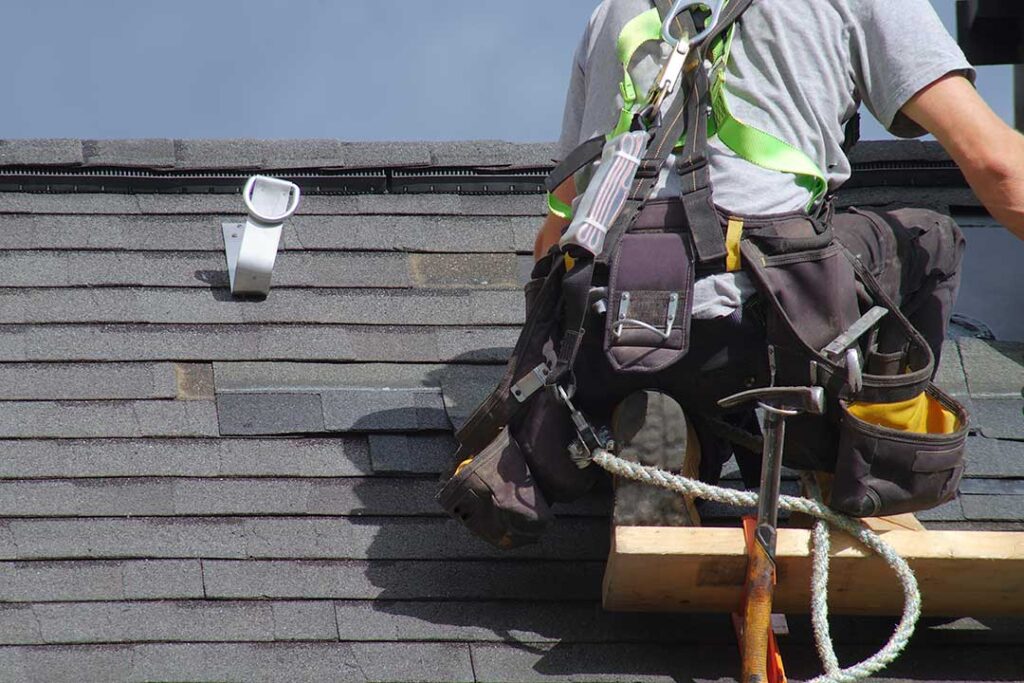
A professional roof inspection is a structured evaluation of a roof’s visible materials, drainage system, ventilation, flashing, and related areas. In Ashland, VA, an inspection may be useful after severe weather, before buying or selling a home, when a roof is aging, or whenever signs of moisture appear indoors.
An inspection is different from a roof replacement estimate. The main purpose is to document the roof’s current condition, identify safety or maintenance concerns, and explain which findings need attention now versus later.
What happens before the inspection?
The process usually begins with questions about the roof’s history and the reason for the inspection. Useful background may include:
- The approximate installation date
- Any previous repairs or leaks
- Recent wind, hail, or heavy rain
- Changes to the home, such as additions or new attic insulation
- Whether moisture has appeared on ceilings, walls, or around windows
- Any concerns noticed from the ground
A roof inspector may also review available records, permits, repair invoices, or manufacturer information if those documents are available. These details provide context, but they do not replace a hands-on evaluation.
The inspector should also discuss access. Roof condition may be reviewed from the ground, from a ladder, by walking on suitable roof areas, from the attic, or through a combination of methods. Steep, fragile, wet, icy, or otherwise unsafe roofs may not be walked. A responsible inspection does not require unnecessary risk.
Will the inspector walk on the roof?
Sometimes, but not always. Walking on a roof depends on its slope, material, age, weather conditions, and apparent stability.
Asphalt shingles can sometimes be walked safely under suitable conditions, while brittle older shingles may crack under foot traffic. Slate, clay, wood, metal, and specialty roofing materials each require different handling. A roof may also have weak areas that are not obvious from below.
If walking is not appropriate, the inspector may use ladder access, binoculars, a camera, a drone where permitted, or views from nearby roof sections. The report should identify how the roof was examined and any limitations that affected the inspection.
An inspection that does not involve walking every roof surface is not automatically incomplete. The key question is whether the method was appropriate for the roof and whether the limitations were clearly explained.
What parts of the roof are examined?
The visible roof covering is only one part of the inspection. A thorough review generally considers how the roof sheds water and how its connected components function together.
Common inspection areas include:
- Shingles, panels, tiles, or other roof coverings
- Missing, cracked, curled, loose, or displaced materials
- Exposed fasteners and deteriorated sealants
- Valleys where roof planes meet
- Ridges, hips, and roof edges
- Flashing around chimneys, walls, skylights, vents, and penetrations
- Drip edges and fascia
- Gutters and downspouts
- Roof-to-wall transitions
- Ventilation openings and visible exhaust vents
- Areas around dormers, additions, and other changes in roof design
The inspector may look for patterns rather than isolated defects. For example, one damaged shingle may be a minor repair, while widespread granule loss, repeated cracking, or broad surface wear may indicate age-related deterioration.
Does the inspection include the attic?
An attic inspection can reveal problems that are not visible from the roof surface. If safe access is available, the inspector may look at the underside of the roof decking, insulation, ventilation, framing, and signs of moisture.
Typical attic findings include:
- Dark staining or water marks on roof decking
- Damp insulation or musty areas
- Daylight visible through roof openings
- Condensation around fasteners
- Inadequate or blocked ventilation
- Mold-like growth associated with persistent moisture
- Sagging or damaged decking
- Evidence of past leaks that have dried
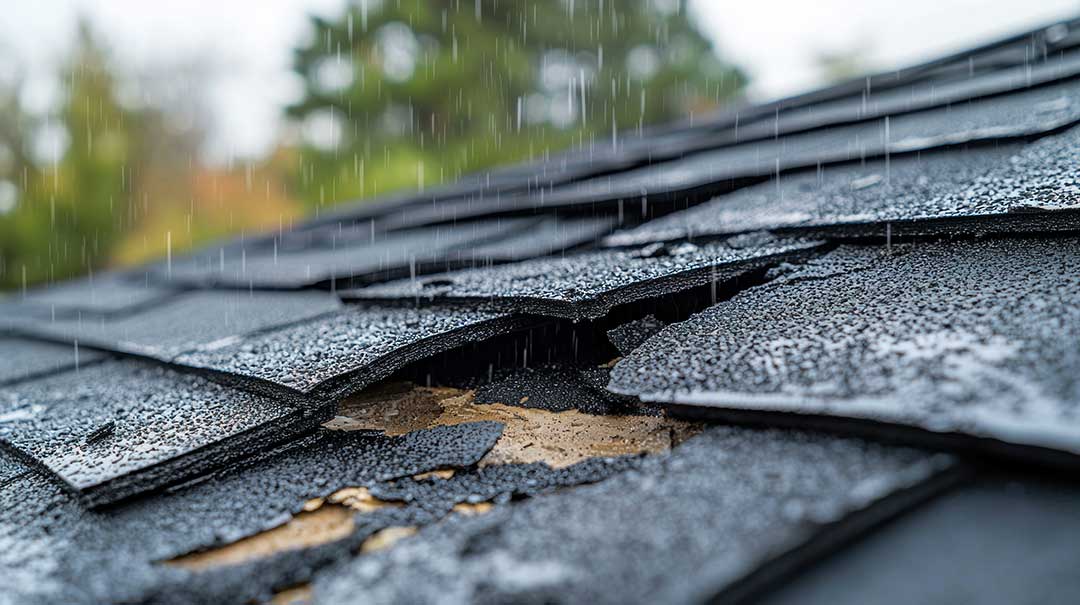
A water stain does not always identify the exact location of a roof leak. Water can travel along decking, rafters, insulation, or framing before appearing indoors. For that reason, the attic view and the exterior roof evaluation should be considered together.
In a home with limited attic access, finished ceilings, or insulation that blocks visibility, the report should state that the inspection was restricted.
How are leaks and storm damage evaluated?
Inspectors look for both active problems and evidence of earlier events. A leak may be active during the inspection, but it may also be intermittent and leave only indirect signs.
After strong wind, common concerns include displaced shingles, lifted edges, damaged ridge caps, and loosened flashing. Hail may cause bruising or impact marks, but not every mark on a roof is hail damage. Age, foot traffic, manufacturing defects, tree contact, and weathering can produce similar-looking conditions.
Rain-related concerns may include clogged drainage paths, overflowing gutters, damaged flashing, exposed underlayment, and poorly sealed penetrations. Heavy rain can reveal weaknesses that remain unnoticed during dry weather, especially around roof transitions and low-slope sections.
An inspection report should distinguish observed damage from suspected causes. If the cause cannot be confirmed, the wording should reflect that uncertainty.
What does the report usually contain?
A roof inspection report commonly includes photographs, written descriptions, and an explanation of the roof’s general condition. It may also identify the roof covering, approximate age if known, visible materials, and areas that could not be inspected.
Findings are often grouped by urgency, such as:
- Immediate safety or active water concerns: Conditions that may allow water intrusion or create a hazard
- Repair items: Defects that should be corrected but may not require full roof replacement
- Maintenance items: Conditions that could worsen if ignored
- Monitoring items: Early wear or uncertain conditions that should be observed over time
- End-of-service-life concerns: A roof that may still be functioning but has limited remaining durability
The report should avoid treating every defect as an emergency. A few aging shingles do not automatically mean the entire roof must be replaced. Conversely, a roof can appear acceptable from the ground while concealed flashing or attic moisture creates a serious concern.
What should Ashland, VA homeowners pay particular attention to?
Local weather patterns make drainage, flashing, and ventilation especially relevant. Seasonal storms, wind, humidity, temperature changes, and falling leaves can affect how water moves across a roof and through the gutter system.
Older homes and homes with additions may have several roof sections built at different times. Those transitions deserve careful attention because changes in slope, materials, or flashing can create weak points. Mature trees near a home can also contribute to falling limbs, surface debris, shaded moisture, and clogged gutters.
After a major storm, a roof may not show obvious damage from the ground. Missing materials, lifted edges, or small punctures can be difficult to see, particularly on larger or steeper roofs. Interior signs such as bubbling paint, stained ceilings, damp attic insulation, or a musty odor may appear later.
How should homeowners use the inspection results?
The report is most useful when findings are prioritized and documented. Homeowners can compare photographs with the written descriptions, ask which issues are active, and distinguish repairable defects from conditions related to overall roof age.
It is also helpful to keep the report with other home-maintenance records. Future inspections can then determine whether a previously noted issue has changed, remained stable, or been corrected.
A professional inspection provides a condition assessment, not a guarantee that leaks will never occur. Roofs are exposed systems, and new damage can develop after wind, falling branches, severe rain, or normal aging. Clear documentation helps homeowners make decisions based on observed conditions rather than guesswork.