

 See My Latest Article on HelloNation
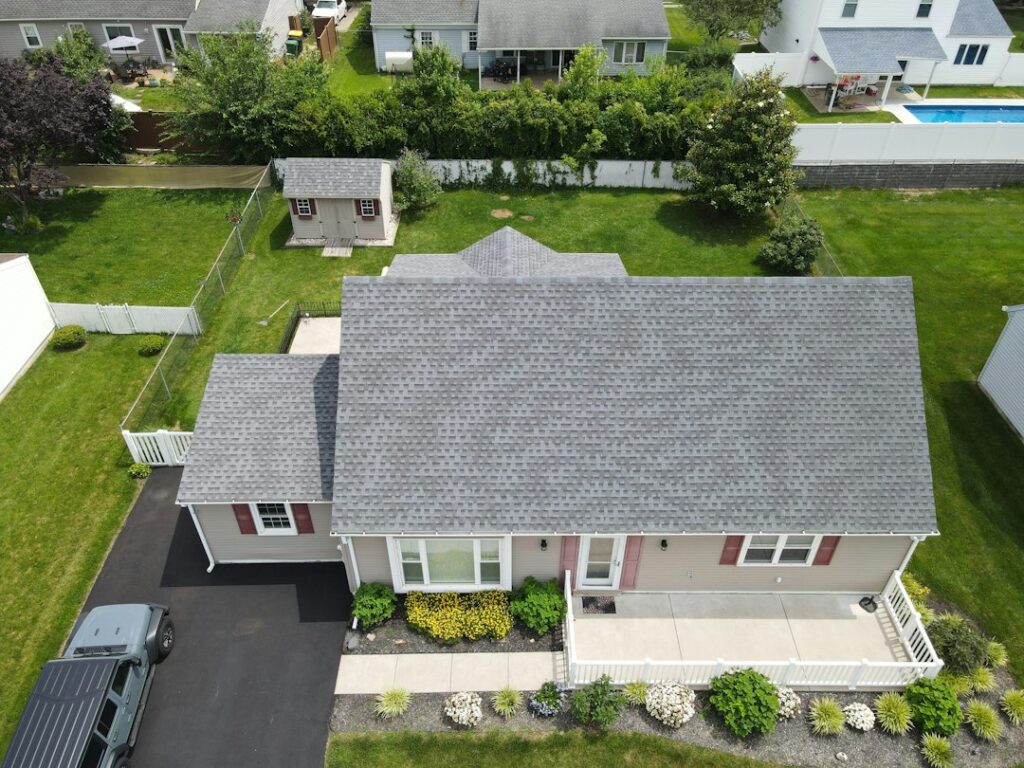
Choosing a roof color involves more than picking a shade that looks attractive in a sample. The right choice should work with the home’s exterior, suit the surrounding streetscape, perform reasonably in the local climate, and remain appealing as the property ages.
What should be considered before choosing a roof color?
Start with the parts of the home that are unlikely to change soon. Roofing should coordinate with the siding, brick, stone, trim, shutters, doors, gutters, and other permanent features.
For homes in Ashland, VA, seasonal changes can affect how a roof appears. Bright summer sunlight may make a roof look lighter, while overcast skies, autumn leaves, and winter conditions can make the same color appear darker or more muted. A color that looks balanced in a showroom may look noticeably different when viewed across an entire roof.
Before deciding, examine:
- The color and undertone of the siding
- Brick, stone, or masonry colors
- Trim, fascia, soffits, and gutters
- The color of nearby homes, especially in established neighborhoods
- The amount of roof visible from the street
- Landscaping and tree cover around the home
- Whether the roof has multiple slopes, dormers, or architectural features
A roof usually covers a large visual area, so subtle color differences can have a stronger effect than expected.
Which roof colors work with common home exteriors?
The best color pairing depends on the undertones in the home’s exterior. A “gray” siding may lean blue, green, brown, or violet, and a “beige” exterior may have yellow, pink, or gray undertones.
White, cream, or light siding
Light exteriors provide flexibility. Medium gray, charcoal, brown, weathered wood tones, and some muted green shades can all work well.
A very dark roof creates stronger contrast and may give the home a more defined appearance. A medium roof color produces a softer transition and may be more forgiving if the exterior includes several different materials.
Red, brown, or tan brick
Brick often contains several colors rather than one uniform shade. A roof can coordinate with the darkest or most neutral tones in the brick instead of trying to match the dominant red.
Brown, charcoal, dark gray, and weathered blends are often easier to pair with brick than a sharply contrasting color. If the brick includes gray mortar, a roof with gray or mixed neutral tones may create a more unified appearance.
Gray siding
Gray siding can support both cool and warm roof colors, but the undertone matters. Blue-gray siding generally pairs more naturally with charcoal or cool gray roofing. Warm gray siding may work better with brown, taupe, or blended gray-brown shingles.
When the roof and siding are nearly identical in color, the home may appear flat unless the trim or other exterior elements provide enough contrast.
Blue, green, or darker siding
Darker siding often benefits from a roof that either clearly contrasts or complements it without competing. Medium gray, charcoal, brown, and weathered blends may work well depending on the siding’s undertone.
Using a roof color that is only slightly darker than already-dark siding can make the exterior appear visually heavy. Stronger contrast through lighter trim or a more distinct roof color may create better balance.
Does a dark roof make a house hotter?
A dark roof can absorb more solar radiation than a light-colored roof, but color is only one factor. Roofing material, surface reflectance, ventilation, insulation, roof pitch, attic construction, shading, and ceiling design also affect indoor temperatures.
In Ashland, VA, warm and humid summer conditions make heat management a reasonable consideration. A lighter or more reflective roof may reduce the amount of solar heat transferred through the roof assembly, especially when the attic and roof ventilation are properly designed.
However, roof color alone is not a substitute for adequate insulation or ventilation. A light-colored roof on a poorly insulated home may provide less benefit than expected, while a darker roof on a well-designed roof assembly may not create a noticeable indoor comfort problem.
Color should be considered as part of the complete roofing system rather than treated as an independent energy-efficiency decision.
Are lighter roof colors better for long-term appearance?
Not necessarily. Light roofs may show dark organic staining, dirt, and shadow patterns more readily. Dark roofs can make light-colored debris, pollen, or certain surface deposits more visible.
Roof appearance also changes with age. Granules gradually weather, sunlight affects color, and areas beneath trees may develop uneven shading or buildup. A heavily variegated roof can hide some visual changes better than a solid, uniform color.
For properties surrounded by mature trees, a blended color may be more practical than a single flat shade. For homes with limited shade and strong sun exposure, a color with reliable solar-reflective characteristics may deserve additional attention.
Should the roof match the neighbors?
A roof does not need to match surrounding homes, but it should make sense within the neighborhood. Homes built during the same period may share similar exterior materials and architectural styles, which can make certain roof colors look more natural than others.
This is particularly relevant in established parts of the community where homes are viewed together from the street. A highly unusual roof color may draw attention for reasons unrelated to the home’s design.
Neighborhood rules, historic-district requirements, or association guidelines may also affect available choices. These requirements vary by property and should be checked before materials are ordered.

How can a roof color be judged accurately?
Small samples are useful for comparing undertones, but they do not show how a color will look across a full roof. A better evaluation includes several steps:
- View samples outdoors in direct sun and shade.
- Look at them in the morning, afternoon, and under cloudy conditions.
- Place samples beside the actual siding, brick, trim, and gutters.
- Stand at least 20 to 30 feet away to judge the overall effect.
- Compare colors against the landscaping and neighboring homes.
- Review a large installation photograph, while remembering that lighting and camera settings can alter appearance.
- Check more than one section of the roof if the home has different slopes or elevations.
It is also helpful to distinguish between the base color and the color blend. Many roofing products combine several tones, and the visible result may be warmer, cooler, lighter, or darker than the sample suggests.
Which roof color is easiest to live with?
A neutral, moderately varied roof color is usually the most adaptable. Gray, brown, charcoal, and weathered blends tend to work with a wider range of exterior paint colors and replacement projects.
That does not mean neutral is always the best choice. A carefully selected color can reinforce a home’s architectural character, especially when the roof is visible from several angles. The key is to consider the entire exterior rather than choosing from a sample in isolation.
A practical roof color should still look appropriate if the front door changes, landscaping matures, or siding is repainted later. Coordinating with permanent materials first gives the choice more flexibility over time.
What common mistakes should be avoided?
Several choices create problems more often than expected:
- Selecting a color based only on a small indoor sample
- Ignoring the undertone of brick or siding
- Matching the roof too closely to the siding
- Assuming dark means better quality or light means cooler in every situation
- Forgetting to consider gutters, flashing, and trim
- Choosing a dramatic color without checking neighborhood requirements
- Overlooking how trees, shade, and seasonal sunlight affect visibility
- Treating appearance as more important than the roofing material’s suitability and installation requirements
The most reliable decision balances appearance, climate, maintenance expectations, neighborhood context, and the home’s existing materials. A roof should look intentional from the street, remain compatible with future exterior updates, and support the practical needs of the household.