

 See My Latest Article on HelloNation
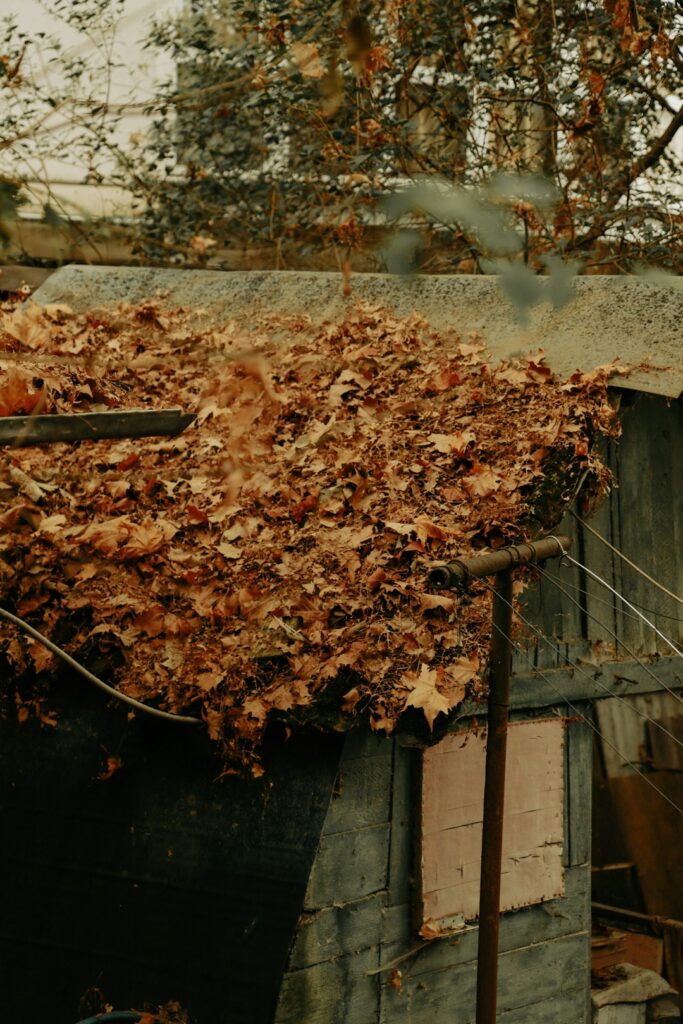
Roof debris can seem harmless, but leaves, pine needles, branches, moss, and storm-blown material can hold moisture, clog drainage, damage shingles, and hide developing problems. For most homeowners, the safest approach is to remove light debris from the ground or from a low, stable roof edge while avoiding unnecessary foot traffic on the roof surface.
What counts as roof debris?
Roof debris includes any loose material that does not belong on the roof. Common examples include:
- Dry leaves and pine needles
- Small twigs and branches
- Acorns, seed pods, and other yard waste
- Moss, algae, or clumps of organic growth
- Windblown plastic, paper, or other lightweight material
- Shingle granules collecting in valleys or gutters
- Animal nests or droppings
In Ashland, seasonal leaf drop and summer thunderstorms can place extra debris on roofs, especially beneath mature trees. Roofs with nearby branches, low-slope sections, dormers, or roof valleys tend to collect more material than open, steeply pitched roofs.
Not every dark streak or patch is debris. Staining, exposed underlayment, lifted shingles, rusted flashing, and persistent moss may indicate a maintenance or moisture problem rather than something that can be solved with simple sweeping.
How often should a roof be cleared?
A roof should be checked at least twice a year and after major storms. Many households benefit from inspections in late fall, after most leaves have dropped, and in spring, when winter moisture and wind may have left branches or organic buildup behind.
Check more often if the home has:
- Large trees overhanging the roof
- Heavy shade that keeps surfaces damp
- A low roof pitch
- Roof sections hidden from ground view
- Repeated gutter overflow
- Recent high winds, thunderstorms, or fallen limbs
The goal is not to keep every leaf from touching the roof. The goal is to prevent thick, wet layers from remaining in valleys, around vents, behind chimneys, and along gutter edges.
What is the safest way to remove leaves and small debris?
For light debris, use a roof rake designed for the purpose or a soft-bristled broom from a safe position on the ground. Work from the ridge or upper roof area toward the eaves only when the tool can be controlled without striking shingles, flashing, windows, or siding.
A leaf blower may be useful from the ground or from a secure, low-risk location, but strong airflow can force debris beneath shingles, into attic vents, or into neighboring gutters. Use the lowest effective setting and direct material away from roof penetrations.
Avoid scraping, dragging, or aggressively brushing the surface. Asphalt shingles lose protective granules when they are abraded. Once those granules are removed, the shingle becomes more vulnerable to ultraviolet exposure and weathering.
For debris caught in a gutter, remove it by hand from a stable ladder position or use a gutter-cleaning tool that does not require climbing onto the roof. Wear gloves because gutters may contain sharp metal edges, nails, insects, and animal waste.
Should you walk on the roof?
Walking on a roof is riskier than it appears and is not necessary for routine debris removal in many cases. Wet shingles, frost, moss, steep slopes, loose granules, and hidden soft spots can cause a sudden loss of footing.
Never walk on a roof during rain, frost, or high winds. Avoid stepping on brittle, curling, cracked, or visibly damaged shingles. Do not step on skylights, plastic roof vents, ridge caps, or sections that appear discolored or sagging.
A ladder should stand on firm, level ground and extend above the roof edge when access is unavoidable. Keep both hands available while climbing, and do not carry bulky tools up the ladder. A second person should remain nearby when ladder work is taking place.
If debris removal requires walking across a steep roof, crossing a fragile surface, reaching over an edge, or working near overhead electrical lines, the task has moved beyond ordinary homeowner maintenance.
How should branches and storm debris be handled?
Small twigs can usually be removed gently by hand or with a soft tool. Larger branches should not be dragged across shingles. Lift them only if they are light enough to handle without twisting, pulling, or losing balance.
After a storm, first look from the ground for:
- Missing or displaced shingles
- A branch resting on the roof
- Damaged flashing around chimneys or vents
- Sagging roof areas
- Hanging gutters or downspouts
- Exposed wood or dark underlayment
- Water entering the attic or upper rooms

A heavy limb can cause damage that is not visible from the yard. Do not climb onto the roof to investigate a branch that is embedded, under tension, near a power line, or resting across a steep section.
Roof debris should not be pushed into streets, gutters, drainage ditches, or storm inlets. Leaves and branches can block water flow and contribute to localized drainage problems. Keep leaf piles and brush separated when placing yard waste at the curb, and follow the current collection requirements for the community.
Is moss or algae considered debris?
Moss is a living growth that can retain moisture and gradually lift or weaken shingles. Algae commonly appears as dark streaks and may be mostly cosmetic, although heavy buildup deserves attention.
Do not pressure-wash asphalt shingles. High-pressure water can remove granules, force water beneath the roofing material, and shorten the roof’s service life. Avoid scraping moss with a shovel, putty knife, or stiff metal brush.
If organic growth is extensive, the surface is damaged, or the roof is difficult to reach safely, removal should be handled as a specialized maintenance task rather than ordinary sweeping. The underlying cause may also need attention, such as excessive shade, poor drainage, or overhanging limbs.
What should be checked after the debris is gone?
Removing debris is only part of the inspection. Once the roof surface and gutters are clear, look for changes that may indicate damage:
- Granules collecting heavily in downspouts or at the base of gutters
- Shingles with lifted, broken, or missing sections
- Nail pops or exposed fasteners
- Cracked pipe boots or vent seals
- Rust, gaps, or separation in flashing
- Gutters pulling away from the fascia
- Water stains in the attic or on ceilings
- Persistent dampness in roof valleys
A small amount of loose granule loss can occur on older shingles, but piles of granules after a storm may signal more serious wear. Do not seal over a suspected leak without locating the source; water can travel along framing before appearing indoors.
When is roof debris removal unsafe?
Stop and reassess if the roof is wet, icy, steep, visibly damaged, or covered with heavy material. Professional help is appropriate when debris involves power lines, fallen trees, structural damage, unstable ladders, or a significant risk of falling.
The same applies when a person cannot maintain three points of contact, cannot see the roof edge clearly, or would need to step on fragile roofing materials. Avoiding one risky cleanup attempt is safer than turning a minor debris problem into a fall injury or hidden roof damage.
Regular ground-level checks, careful gutter maintenance, and prompt attention after storms can prevent many debris-related problems without requiring frequent foot traffic on the roof.