

 See My Latest Article on HelloNation
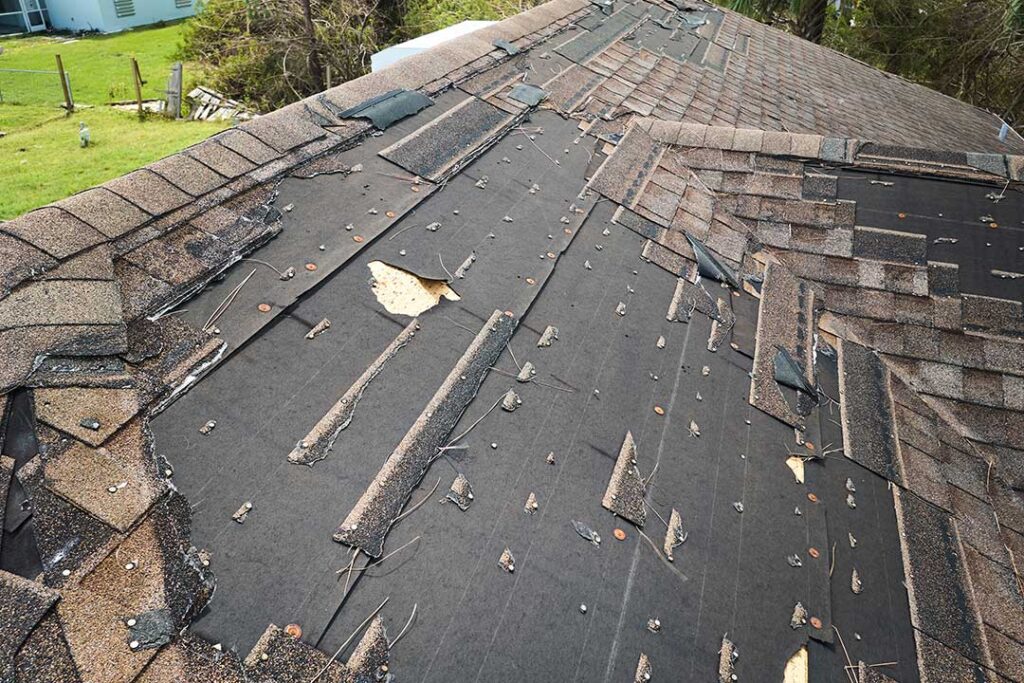
Tree limbs can affect a roof in several ways, from minor surface wear to sudden structural damage. In Ashland, VA, seasonal thunderstorms, wind, ice, and changing soil moisture can all increase the likelihood that branches will break, rub against roofing materials, or fall onto a house.
Understanding the different types of damage makes it easier to recognize problems early and decide when immediate safety measures are needed.
How can tree limbs damage a roof?
The most obvious risk is impact. A falling limb can crack or dislodge shingles, damage flashing, puncture underlayment, break roof decking, or injure gutters and trim. Even a branch that does not fall completely can create problems by resting on the roof or striking it repeatedly during windy weather.
Common forms of limb-related roof damage include:
- Broken, missing, or lifted shingles
- Cracked ridge caps or exposed fasteners
- Dented metal flashing
- Damaged gutters, downspouts, or fascia
- Punctures in the roof surface
- Broken roof vents, pipes, or skylight components
- Sagging areas caused by damaged decking or framing
- Water intrusion around the impact area
A small branch may appear harmless but still expose the roof to rain. Roofing materials work as layered systems, so damage that looks limited to one shingle can allow water to move beneath surrounding materials.
Can branches damage a roof without falling?
Yes. Limbs can cause gradual damage even when they remain attached to the tree. Branches that scrape against shingles during wind may wear away the protective surface and loosen the edges of roofing materials. Repeated movement can also damage flashing or create openings around roof penetrations.
Overhanging branches may drop twigs, bark, leaves, and seed pods onto the roof. This debris can collect in valleys, behind chimneys, or near roof-to-wall transitions. Organic material holds moisture and can slow drainage, increasing the chance of staining, algae growth, or premature deterioration.
Branches can also shade portions of the roof for much of the day. Shade does not automatically damage roofing, but damp areas may dry more slowly after rain, especially when debris is present.
Which roof areas are most vulnerable?
Roof sections below large limbs deserve special attention, particularly where the roof changes direction or has components that project above the surface.
Vulnerable areas often include:
- Roof valleys, where water and debris naturally collect
- Eaves and gutters, where falling twigs can cause blockages
- Low-slope sections, which may drain more slowly
- Skylights, plumbing vents, and other roof penetrations
- Ridges and hips, where wind can lift loose materials
- Areas near chimneys or wall intersections
- Roof edges beneath heavy branches
Older roofs may be more vulnerable because shingles become less flexible over time. A branch that would cause only light scuffing on a newer roof may crack brittle materials on an aging one.
What damage should residents look for after a storm?
A ground-level inspection can identify many warning signs without requiring anyone to climb onto the roof. After high winds or severe weather, look for:
- Shingles on the ground or in the yard
- New dark spots or water stains on ceilings
- Bent gutters or loose downspouts
- Broken branches resting on the roof
- Visible holes, cracks, or exposed underlayment
- Granules collecting near downspouts
- Sagging roof sections
- Daylight visible through the attic roof deck
- Damp insulation or wet wood in the attic
- New drafts or unusual sounds near the roof
Water stains may not appear directly below the damaged area. Roof leaks can travel along decking, rafters, insulation, and interior framing before becoming visible. A stain near an exterior wall or ceiling corner may still be related to impact damage elsewhere.
Is it safe to remove a branch from the roof?
A branch should not be pulled, cut, or dragged from a roof unless it can be removed safely from the ground without contacting electrical lines or destabilizing additional limbs. A fallen branch may be supporting other branches, pressing against a damaged roof section, or creating tension that changes when it is moved.
Roof surfaces are especially hazardous when wet, covered with leaves, or hidden beneath debris. Climbing onto a roof after a storm can also disturb loose shingles and increase damage. If a limb is large, suspended, near utility lines, or resting on a steep or visibly damaged roof, the situation requires specialized safety equipment and judgment.
Never approach a fallen tree limb that is touching or near overhead electrical wires. Keep people and pets away from the area until the hazard is controlled.
Can tree roots or soil conditions increase the risk?
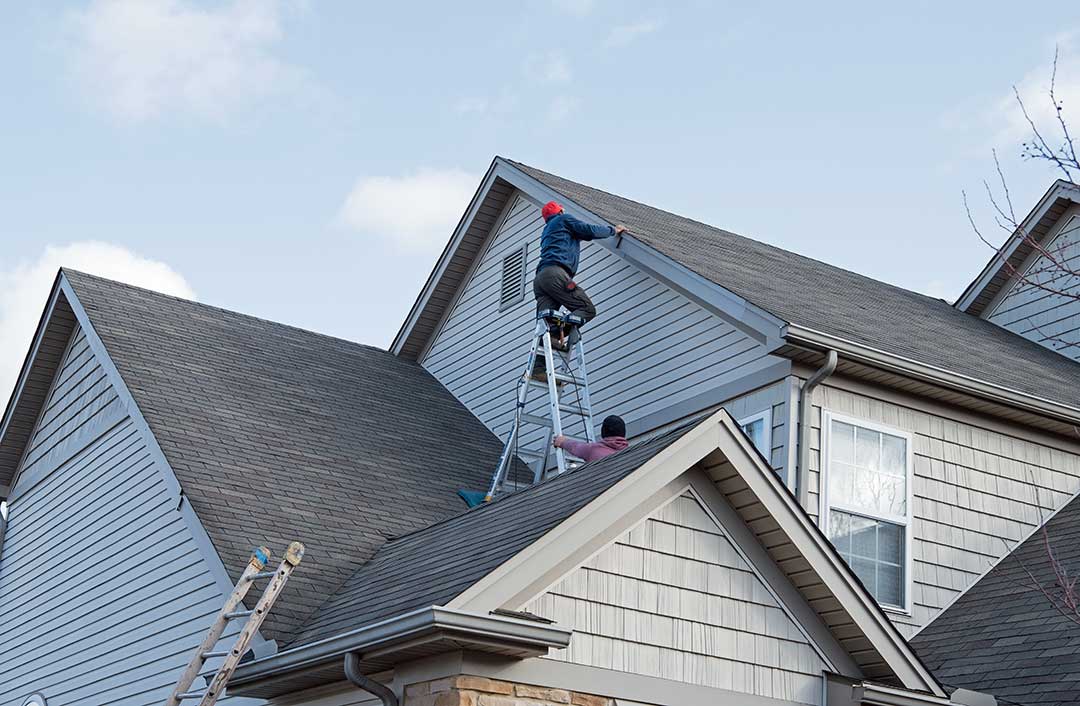
Tree-related roof risk is not limited to branches. Trees growing in saturated or unstable soil may be more likely to uproot during strong wind. This is especially relevant after periods of heavy rain, when soil may provide less support around the root system.
A tree does not need to be dead to become hazardous. Warning signs can include:
- Large dead limbs
- Cracks in major branches or the trunk
- Fungal growth near the base
- Leaning that has recently worsened
- Exposed or damaged roots
- Hollow-sounding wood
- Loose bark or cavities
- Branches rubbing against one another
Ashland’s changing seasons can place repeated stress on trees. Drought, heavy rain, freezing conditions, and summer storms may all affect branch strength and root stability over time.
How can tree limb damage lead to roof leaks?
Roof leaks commonly begin when impact breaks the roof’s water-shedding layers. A branch may tear a shingle, loosen a fastener, crack flashing, or puncture the membrane beneath the visible surface. Rain can then enter through the opening and move sideways before reaching the attic or living space.
Leaks may not appear immediately. A small opening may remain dry until wind-driven rain, melting ice, or a prolonged storm pushes water beneath nearby materials. For that reason, a roof should be checked after a significant limb strike even if the ceiling looks normal.
Moisture that remains hidden can contribute to mold growth, damaged insulation, stained drywall, and weakened wood. The longer water is present, the more difficult it can be to identify the original entry point.
What tree maintenance helps protect a roof?
Preventive pruning can reduce contact between branches and roofing materials, but cutting should be approached carefully. Removing too much growth at once can stress a tree, and improper cuts may create decay points or weaken remaining limbs.
Helpful practices include:
- Keeping dead or visibly damaged limbs out of contact with the roof
- Removing branches that scrape against shingles
- Watching trees that lean toward the house
- Keeping gutters clear of persistent leaf and twig buildup
- Inspecting trees after severe weather
- Avoiding roof access for routine debris removal when conditions are unsafe
- Monitoring branches that overhang roof valleys, skylights, or utility connections
Tree work near a structure or power line can create serious hazards. Safety and legal requirements should take priority over appearance or convenience.
When does a roof need urgent attention?
Immediate action is warranted when a tree or large branch has struck the roof, when water is actively entering the home, or when the roof is visibly sagging. Other urgent conditions include exposed electrical wiring, a limb resting on a roof edge, widespread missing shingles, or a damaged chimney or vent.
Until the area is safe, place containers beneath active drips, move valuables away from wet areas, and avoid disturbing damaged ceiling materials. Do not climb onto the roof during rain, wind, or icy conditions.
Small surface damage can sometimes be monitored, but any impact that may have affected the roof’s underlying layers deserves careful evaluation. Early attention can help distinguish cosmetic wear from a leak-producing opening or a structural concern.